
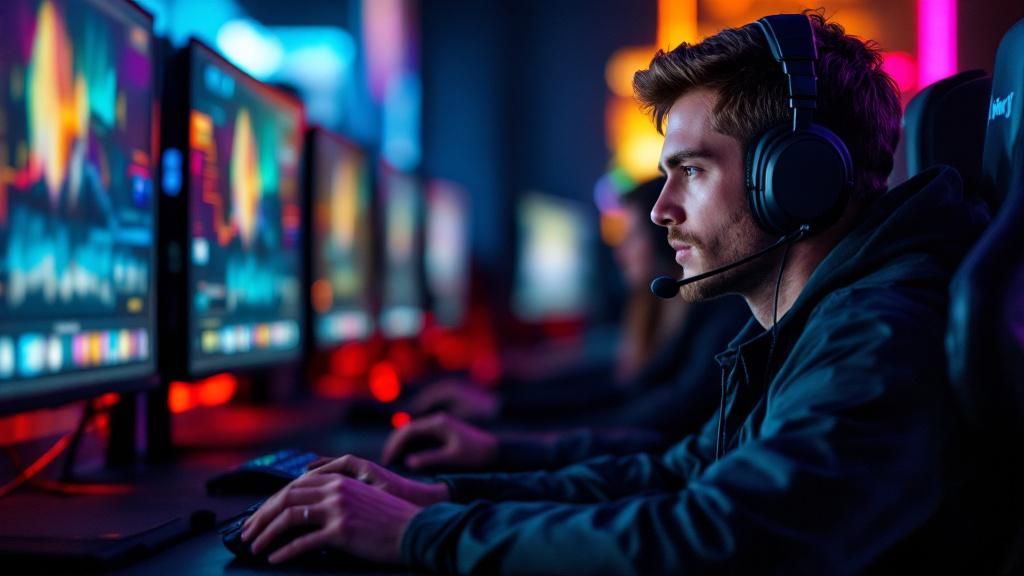
The professional gaming industry has witnessed a significant transformation, with elite esports organisations now prioritising mental health support as increasingly. Recognising that competitive pressure, gruelling schedules, and intense scrutiny can impose considerable mental strain, leading teams are investing substantial resources into comprehensive wellness programmes. From qualified psychological experts to psychological counselling and coping strategy sessions, these initiatives represent a pivotal transformation in how the industry supports athlete mental health, challenging long-standing stigmas and creating improved expectations for athlete care.
The Growing Importance of Psychological Wellbeing in Esports
The esports landscape has undergone a profound shift in the past few years, with psychological wellbeing emerging as a key priority for elite organisations. As professional esports competition continues to grow exponentially, the psychological demands placed upon players have become increasingly apparent. Leading organisations now recognise that consistent results demands robust mental wellbeing support, moving beyond conventional fitness regimens to address the emotional and psychological challenges inherent in elite-level play.
This progression reflects a broader transformation in perspective across the industry, where addressing psychological difficulties is no longer regarded a shortcoming but rather an crucial component of professional excellence. Players face sustained demands from tournaments, sponsorship requirements, and media attention, often whilst upholding demanding training schedules. By prioritising psychological support programmes, forward-looking institutions are not just supporting their players’ overall wellbeing but furthermore improving competitive performance and encouraging healthier and more enduring professional paths within competitive gaming.
Comprehensive Support Structures and Provisions
Professional gaming organisations have established multifaceted support systems that extend far beyond standard sports psychology. Many teams now employ dedicated mental health experts, such as licensed therapists, psychiatrists, and wellness coaches who engage with players throughout the competitive season. These specialists provide one-on-one counselling, cognitive behavioural therapy, and customised stress management strategies adapted for each player’s particular circumstances and challenges.
Beyond individual therapy, leading esports organisations have implemented extensive wellbeing initiatives encompassing mindfulness practices, nutrition counselling, fitness routines, and sleep improvement techniques. Teams recognise that psychological support demands a comprehensive strategy, combining physical wellbeing with psychological care. Additionally, many organisations offer peer-led groups, team-building activities, and training sessions addressing preventing burnout, anxiety reduction, and healthy coping mechanisms, fostering a culture where asking for support is normalised and encouraged.
Difficulties and Forthcoming Progress
Despite substantial progress, professional gaming teams still face considerable obstacles in establishing extensive mental health support. Many independent organisations do not have the funding to employ dedicated psychologists or counsellors, resulting in disparities in quality of care across the industry. Additionally, some players remain reluctant to access support due to entrenched stigma within gaming culture, whilst others struggle with privacy concerns regarding private mental health information. These barriers require sustained promotion and sector-wide standards to ensure equal access to support services for all competitive players.
The emerging landscape of psychological support services in esports looks increasingly encouraging, with emerging technologies offering innovative solutions. Virtual reality therapy, AI-powered mental wellness applications, and online peer support communities are broadening access beyond traditional counselling methods. Additionally, awareness programmes targeting young players seek to establish mental health conversations from the outset of their careers. As the sector develops, introducing professional accreditations for esports psychologists and creating research-backed best practices will likely become industry standards, strengthening the overall framework for player wellbeing.
Looking forward, partnership among gaming organisations, mental health professionals, and regulatory bodies will prove essential for sustainable progress. Funding for longitudinal research examining the impact of existing programmes will inform future programme development. Furthermore, fostering open dialogue among players, coaches, and management teams can establish nurturing settings where mental health concerns are addressed proactively rather than reactively. In the end, prioritising mental wellbeing alongside competitive excellence will establish esports as a truly forward-thinking industry that values comprehensive player development.
