
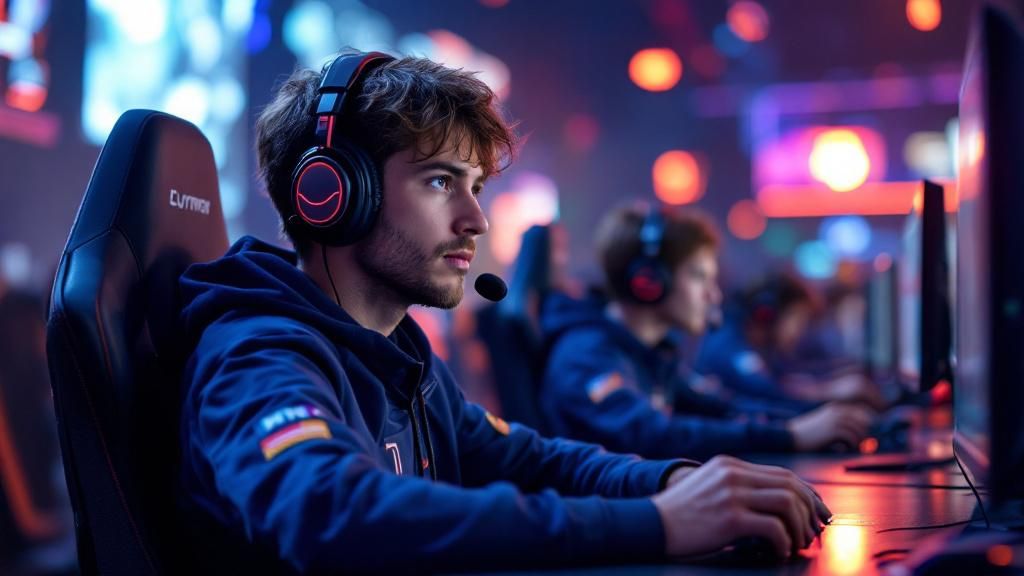
The esports industry has advanced substantially in prioritising competitor wellbeing. Leading esports bodies have collectively introduced a detailed player protection standards framework, tackling established worries about mental wellbeing, labour conditions, and just treatment within professional gaming. This landmark initiative represents a critical juncture for esports legitimacy, establishing baseline protections that could transform how the industry operates. We analyse the framework’s key provisions, the entities leading this transformation, and what it means for competitors and the esports ecosystem moving forward.
Sector-Wide Dedication to Responsible Gaming
The collaborative effort between leading esports organisations marks a significant milestone for player protection within professional esports. This cohesive approach demonstrates the market’s authentic resolve to developing enduring guidelines that prioritise competitor wellbeing alongside competitive excellence. By sharing assets and experience, these organisations have developed detailed frameworks addressing physical condition, psychological wellbeing, and occupational safety. The scheme shows expanding understanding that athlete wellbeing significantly affects output standards and sustained careers, making it vital to the industry’s standing and expansion.
Tournament organisers have recognised that earlier guidelines were scattered and uneven, putting athletes at risk of exploitation and burnout. The updated system establishes consistent standards among principal events, making certain each professional player gets fair consideration and connection to crucial welfare resources. This coordinated approach eradicates unequal conditions arising from varying welfare provisions and establishes a level playing field. Industry figures highlight that these standards form essential foundations, urging bodies to go beyond minimum standards and create truly caring settings where athletes can flourish in career and personal development.
Core Features of the Welfare Provision
The newly formed welfare framework comprises various interrelated pillars intended to protect player interests comprehensively. These elements tackle mental health support, physical health, reasonable working standards, and clear dispute handling mechanisms. By combining these components, tournament organisers aim to develop a comprehensive strategy that acknowledges esports athletes as professional competitors warranting strong safeguards. The framework sets minimum standards that all affiliated tournaments need to establish, ensuring standardised player protections across the competitive gaming landscape.
Mental Wellbeing Assistance Programmes
Understanding the emotional demands present within competitive esports, the framework requires access to qualified psychologists for all competing players. Tournament operators must provide confidential psychological support, either directly or through partnerships with experienced mental health organisations. This provision covers stress management, performance anxiety support, and crisis support resources. Players have access to experienced psychologists who understand esports-specific challenges, encompassing online abuse, high-level competitive stress, and uncertain career prospects.
The framework also stipulates tournaments to establish mental wellbeing education initiatives and anti-stigma campaigns within the community. Organisers need to train players, coaches, and staff about identifying psychological difficulties and obtaining appropriate support. Regular check-ins and wellbeing tracking mechanisms enable identify struggling players early, enabling proactive intervention before situations develop into critical psychological situations.
Physical Wellness Requirements
Tournament coordinators must create detailed wellness standards addressing ergonomics, recovery intervals, and clinical supervision. The framework requires proper seating, display positioning, and downtime to reduce overuse injuries frequently seen in esports professionals. Medical staff must attend at significant events to handle immediate medical concerns, whilst organisers are mandated to give advice about injury avoidance and proper healthcare support for ongoing player improvement.
Environmental circumstances at tournament venues are now subject to strict guidelines guaranteeing player comfort and safety. Regulations encompass temperature control, lighting standards, and noise levels to create optimal performance conditions. Additionally, the framework promotes players to complete regular health assessments and provides guidance on nutrition, sleep hygiene, and exercise routines crucial for sustained professional performance in esports.
- Workplace gear assessments performed by certified experts
- Mandatory rest periods between matches reducing athlete fatigue
- Medical personnel on location present throughout competitive events
- Injury reduction training and rehabilitation service availability
- Health monitoring programmes tracking athlete health throughout seasons
Rollout Schedule and Standards
The framework will be rolled out in three different phases, starting immediately with preliminary assessments across member organisations. Tournament operators have pledged to completing initial audits of their present procedures by the end of the first quarter, highlighting discrepancies between existing protocols and the revised guidelines. This foundational phase ensures a detailed evaluation of each organisation’s current standing before introducing significant modifications. Later stages will encompass staff training, procedural revisions, and the implementation of independent oversight mechanisms to secure conformity and responsibility throughout the esports ecosystem.
The standards themselves include mandatory provisions covering mental health support, practical training timetables, and clear prize allocation procedures. Each organisation is required to appoint a specialist player welfare representative accountable for managing grievances and upholding guidelines. Regular audits, conducted by third-party bodies, will confirm adherence and identify areas requiring improvement. These comprehensive measures set defined targets for player protection, with compliance procedures including financial penalties and prospective event bans for organisations not meeting required standards.
Industry Reaction and Outlook Ahead
The announcement has received considerable endorsement from stakeholders across the professional esports landscape. Players’ associations have praised the structure as a necessary step towards advancing the professional standards of the industry, whilst organisation proprietors and commercial partners acknowledge the opportunity for improved legitimacy and sustainability. Gaming equipment manufacturers and streaming platforms have committed to embed safeguarding measures into their operations, reflecting a shared dedication to structural reform. Initial signs point to the fact that oversight organisations and state representatives view the criteria with approval, potentially paving the way for statutory acknowledgement of competitive gaming as a legitimate professional sector.
Looking ahead, sector analysts anticipate that this framework will function as a template for global adoption, with regional tournaments and grassroots events expected to implement comparable standards. The initiative is likely to encourage ongoing discussion regarding athlete remuneration, career development pathways, and mental health resources. As esports undergoes rapid expansion, these welfare standards represent a crucial safeguard guaranteeing that competitive gaming stays sustainable, welcoming, and respectful for all participants, ultimately strengthening the industry’s standing as a genuine professional discipline.
